Microplastics in Food: What UK Consumers Need to Know
Microplastics have been found in virtually every type of food tested — from the fish on your plate to the fruit in your bowl to the water in your glass. For UK consumers, the question is no longer whether there are plastics in our food, but how much, from where, and what we can do about it.
This guide examines the microplastics in food UK households eat every week, category by category, sets out where food safety regulators currently stand, and provides practical steps to reduce your dietary microplastic exposure using alternatives available from UK retailers.
How Microplastics Get Into Your Food
Microplastics enter the food supply through multiple pathways. Understanding which routes contribute the most helps you prioritise the swaps that make the biggest difference.
1. Food Packaging and Containers
Plastic food packaging is one of the most direct contamination pathways. Every time food sits in a plastic container, particles can migrate from the packaging into the food — a process accelerated by heat, acidity, and fat content.
A 2019 study published in Environmental Science & Technology by Cox et al. worked through the major food categories and estimated that the average person swallows between 39,000 and 52,000 microplastic particles a year from food alone. Microwaving food in plastic containers is a particularly concentrated exposure event: research has shown that heating polypropylene containers can release millions of microplastic particles per square centimetre of surface area.
Cling film in contact with warm or fatty foods is another contributor. PVC-based cling films contain plasticisers that facilitate both chemical migration and particle release.
The UK context: Ready meals, takeaway containers, and supermarket packaging are overwhelmingly plastic in the UK. The shift to glass or paper-based packaging remains limited.
2. Cooking Equipment and Utensils
Your kitchen itself can be a source of microplastic contamination.
Chopping boards: A 2023 study by researchers at North Dakota State University, published in Environmental Science & Technology, estimated a per-person annual exposure of 7.4 to 50.7 grams of microplastics from a polyethylene chopping board, and 49.5 grams a year from a polypropylene one. Those are modelled annual figures built on assumptions the authors state, not a measured amount per meal — but even at the low end, grams a year is a real quantity of plastic entering food from a single kitchen item. Our kitchenware guide covers this in detail.
Non-stick pans: PTFE-coated (Teflon) cookware releases micro and nanoplastic particles when scratched or overheated. Research published in Science of the Total Environment (2022) used Raman imaging on a scratched non-stick surface and estimated that thousands to millions of Teflon microplastic and nanoplastic particles might be released during a simulated cooking process.
Plastic utensils: Nylon spatulas, plastic spoons, and synthetic cooking tools can shed particles at high temperatures, particularly above 180 degrees C.
3. Tea and Hot Beverages
For a nation that drinks approximately 100 million cups of tea per day, this is a particularly relevant pathway. A 2019 study by McGill University found that a single plastic tea bag at brewing temperature releases approximately 11.6 billion microplastic and 3.1 billion nanoplastic particles per cup.
Nor is it only the mesh pyramid bags: a 2024 study in Chemosphere tested the bag materials themselves — polypropylene, cellulose and nylon-6 — and found all three released micro and nanoplastics into the brew. We cover UK tea brands and plastic-free alternatives in detail in our tea bags article.
Disposable paper coffee cups with polyethylene linings are another contributor — a 2021 study found that a single paper cup holding hot liquid for 15 minutes released approximately 25,000 micron-sized particles into the drink.
4. Drinking Water
Both tap water and bottled water contain microplastics. A 2018 study published in PLOS ONE by Kosuth et al. sampled 159 tap water samples sourced from around the world and found anthropogenic particles in 81% of them, at a mean of 5.45 particles per litre. The study did not report a separate UK figure, so treat that global average as an indication of scale rather than a reading for your own kitchen tap.
Bottled water in plastic containers contains significantly more microplastics than tap water, particularly for bottles that have been stored in warm conditions or exposed to sunlight. Reusable stainless steel or glass bottles eliminate the ongoing contribution from plastic water bottles.
A promising finding from research published in Environmental Science & Technology Letters (2024) showed that simply boiling and filtering tap water through a standard filter can remove up to 90% of nano and microplastic particles — an accessible step for UK households.
5. The Food Chain
Microplastics accumulate through the food chain. Agricultural soils receiving treated sewage sludge (biosolids) as fertiliser contain microplastics that can be taken up by crops. A 2020 study published in Environmental Research by Conti et al. was among the first to quantify microplastics in commercially sold fruit and vegetables, finding particles in apples, pears, carrots, lettuce, and broccoli purchased from Italian supermarkets.
The fruit samples carried the higher median count of the two groups. Within them, apples were the most contaminated fruit and carrot the most contaminated vegetable — consistent with roots absorbing particles from contaminated soil and water. Lettuce, notably, recorded the lowest median level of the vegetables tested.
Seafood is another significant dietary source. Shellfish are consumed whole, meaning any microplastics in their digestive systems are ingested directly. A systematic review and meta-analysis published in Environmental Health Perspectives by Danopoulos et al. pooled the available studies of seafood intended for human consumption and found measurable microplastic contamination across molluscs, crustaceans and fish. Larger fish accumulate microplastics in their gut (which is typically removed before eating), but the flesh itself can contain particles that have crossed the intestinal barrier.
Where Food Safety Regulators Stand
The single most important thing to understand about official guidance on microplastics is that there isn’t a verdict yet — in either direction.
The European Food Safety Authority (EFSA) states plainly that it “has not yet completed a full risk assessment of microplastics and nanoplastics in food” and that, as a result, it “cannot conclude on potential health effects.” Its full scientific opinion is not expected until the end of 2027.
EFSA is explicit about the gaps holding that assessment up:
- Knowledge of dietary exposure to micro and nanoplastics “remains limited,” and data on nanoplastics specifically are “particularly scarce”
- There are no standardised methods to detect, identify and quantify micro and nanoplastics in food
- Harmonised methods and coordinated international research are still needed before risk can be characterised
The World Health Organisation published a review of microplastics in drinking water in 2019, concluding that microplastics in drinking water do not appear to pose a health risk at current levels but calling for better data and standardised measurement methods. It followed this with a 2022 review of dietary and inhalation exposure to nano- and microplastic particles.
It is worth being precise about what this means. “No completed assessment” is not the same as “proven safe” — and it is equally not evidence of harm. The absence of a conclusion reflects the youth of the field and the lack of agreed measurement methods, not a finding either way. For a deeper look at the health research, see our article on whether microplastics affect human health.
How Much Microplastic Are We Eating?
Quantifying human microplastic intake is an active area of research, and estimates vary considerably depending on methodology.
The Cox et al. estimate (2019): A widely cited analysis published in Environmental Science & Technology estimated that the average American consumes between 39,000 and 52,000 microplastic particles per year through food alone. When inhalation and drinking water are included, the upper estimate rises to approximately 121,000 particles per year. UK intake is likely comparable given similar dietary patterns and food packaging practices.
The “credit card per week” claim: A 2019 analysis commissioned by WWF International suggested that people may ingest up to 5 grams of plastic per week — roughly the weight of a credit card. This figure was widely reported in the media, though many researchers have cautioned that it represents an upper-bound estimate and that typical intake is likely lower. The study has been useful for public awareness but should not be taken as a precise measurement.
Stool analysis: A 2019 study in the Annals of Internal Medicine by Schwabl et al. confirmed that microplastics are present in human stool, with all eight participants from eight different countries testing positive. The most common polymers detected were polypropylene (PP) and polyethylene terephthalate (PET) — the same plastics used in food packaging and drink bottles.
What the research consistently shows is that microplastics are entering our bodies through food, and the quantities are not trivial. Whether these quantities cause harm at current levels is still being determined, but the precautionary case for reducing unnecessary exposure is straightforward.
Fresh Produce: Fruit, Vegetables, and Seafood
Fruit and Vegetables
The Conti et al. (2020) study in Environmental Research detected microplastics in all categories of fresh produce tested. Apples were the most contaminated of the fruit samples, and carrot the most contaminated vegetable. Lettuce sat at the other end of the range — it recorded the lowest median level of any vegetable in the study.
The contamination pathways for produce include:
- Soil contamination from sewage sludge and irrigation with treated wastewater
- Root uptake — plants can absorb nano and microplastic particles through their root systems, transporting them into edible tissue
- Atmospheric deposition — airborne microplastic fibres settle on leaf surfaces and can be difficult to remove by washing
Practical advice: Washing produce thoroughly under running water removes surface microplastics but cannot remove particles that have been absorbed through roots. Peeling fruit and vegetables reduces surface contamination but at the cost of losing beneficial nutrients and fibre in the skin.
Seafood
Shellfish represents the most significant seafood source of microplastic exposure because the entire organism is consumed, including the digestive system where microplastics accumulate. UK-relevant species including mussels, oysters, and prawns have been consistently found to contain microplastic particles in multiple studies.
The UK is one of Europe’s largest consumers of shellfish, and species harvested from coastal waters near urban centres or river outflows tend to contain higher concentrations of microplastic fibres and fragments. The most commonly detected polymers in UK-harvested shellfish mirror those found in synthetic textiles and packaging — polyester, polyethylene, and polypropylene.
For fin fish (cod, haddock, salmon), the situation is somewhat better: microplastics tend to concentrate in the gut, which is removed during filleting. However, some studies have found particles in fish muscle tissue that has crossed the intestinal barrier, meaning fillets are not entirely free of contamination.
Practical advice for seafood: You do not need to stop eating fish and shellfish — the nutritional benefits remain significant. However, sourcing from less polluted waters, varying your seafood choices, and being aware that filter-feeding shellfish (mussels, oysters) carry the highest microplastic burden helps you make informed decisions.
Practical Steps to Reduce Food-Related Microplastic Exposure
The good news is that many of the highest-impact changes involve simple material substitutions in your kitchen. You do not need to overhaul your entire diet — focus on the pathways that research suggests contribute the most.
Replace Plastic Food Storage
Switching from plastic containers to glass or stainless steel is arguably the single most impactful change for food-related microplastic reduction. Glass does not shed microplastics, is inert (no chemical migration), and can safely be used for hot food, acidic foods, and microwave reheating.
- Pyrex Cook & Store Set — borosilicate glass containers with snap-lock lids, suitable for fridge, freezer, oven, and microwave. Buy Pyrex Storage Set on Amazon UK
- Kilner Clip-Top Jar — glass pantry storage for dry goods, cereals, and preserving. Buy Kilner Clip Top Jar on Amazon UK
Swap Your Chopping Board
Replace plastic chopping boards with wood, bamboo, or fibre-composite alternatives. The Epicurean PREP Board is made from compressed wood fibre bonded with a phenolic resin — the published shedding research measured polyethylene and polypropylene boards, not composites like this (buy on Amazon UK). Traditional hardwood boards (oak, maple, beech) are equally effective and have natural antimicrobial properties. Our full chopping board guide compares hardwood, bamboo, and composite options for UK kitchens.
Ditch Cling Film
Replace cling film with beeswax food wraps for covering bowls and wrapping cold foods. For reheating, use glass containers with lids or a ceramic plate inverted over a bowl.
Choose Cast Iron or Stainless Steel Cookware
Replace scratched or aging non-stick pans with cast iron or stainless steel. The Le Creuset Cast Iron Casserole provides excellent heat distribution with no plastic cooking surface. Cast iron becomes naturally non-stick with proper seasoning and will last a lifetime. Buy Le Creuset Cast Iron Casserole on Amazon UK
Switch to Plastic-Free Tea
If you drink tea daily — as most UK adults do — switching to loose leaf tea or brands with plastic-free bags (Clipper, Pukka, Teapigs, as stated by the brands) eliminates one of the highest-concentration microplastic sources in the average UK diet. See our full tea bags comparison for brand-by-brand guidance.
Filter or Boil Your Drinking Water
The 2024 boiling water study published in Environmental Science & Technology Letters showed that boiling tap water and pouring it through a simple filter can remove up to 90% of microplastic particles. This is a zero-cost step that any UK household can implement immediately. If you want a permanent solution, our guide to the best water filters for microplastics compares jug, under-sink, and reverse osmosis options by removal effectiveness.
For drinking water on the go, a reusable stainless steel or glass bottle eliminates the ongoing contribution from single-use plastic water bottles. UK tap water, while not entirely free of microplastics, consistently contains fewer particles than bottled water stored in plastic.
Avoid Heating Food in Plastic
One of the simplest and most impactful rules: never microwave food in plastic containers, even if the container is labelled “microwave safe.” That label refers to structural integrity (the container will not melt), not to microplastic release. Transfer food to a glass or ceramic dish before reheating.
Similarly, avoid pouring boiling water into plastic containers, filling plastic bottles with hot drinks, or leaving plastic containers in direct sunlight (such as a water bottle left in a car on a warm day).
The Bigger Picture
Food is one of several microplastic exposure pathways — alongside inhalation of airborne fibres (particularly from synthetic textiles and carpets) and the synthetic polymers in personal care products, which mostly rinse down the drain into the environment rather than entering the body through intact skin. Our guide to hidden microplastics in everyday products covers these other pathways in detail.
While food is the pathway that most people think about first, the relative contribution of each route varies by individual lifestyle — someone who drinks loose leaf tea from a glass cup faces a very different exposure profile from someone drinking multiple plastic-bagged teas from a takeaway paper cup each day.
Reducing food-related microplastic exposure does not require perfection. It requires awareness of the highest-contribution sources and a willingness to make practical substitutions where the research is clearest. Glass instead of plastic for food storage. Wood instead of plastic for chopping. Loose leaf instead of plastic tea bags. These are achievable changes that meaningfully reduce the amount of plastic entering your food.
Sources
- Human Consumption of Microplastics — Environmental Science & Technology, 2019
- Cutting Boards: An Overlooked Source of Microplastics in Human Food? — Environmental Science & Technology, 2023
- Raman imaging for the identification of Teflon microplastics and nanoplastics released from non-stick cookware — Science of the Total Environment, 2022
- Plastic teabags release billions of microparticles and nanoparticles into tea — Environmental Science & Technology, 2019
- Teabag-derived micro/nanoplastics (true-to-life MNPLs) as a surrogate for real-life exposure scenarios — Chemosphere, 2024
- Microplastics and other harmful substances released from disposable paper cups into hot water — Journal of Hazardous Materials, 2021
- Anthropogenic contamination of tap water, beer, and sea salt — PLOS ONE, 2018
- Drinking Boiled Tap Water Reduces Human Intake of Nanoplastics and Microplastics — Environmental Science & Technology Letters, 2024
- Micro- and nano-plastics in edible fruit and vegetables. The first diet risks assessment for the general population — Environmental Research, 2020
- Microplastic Contamination of Seafood Intended for Human Consumption: A Systematic Review and Meta-Analysis — Environmental Health Perspectives, 2020
- Detection of Various Microplastics in Human Stool — Annals of Internal Medicine, 2019
- Microplastics and nanoplastics in food — European Food Safety Authority
- WHO: Microplastics in drinking-water — World Health Organisation, 2019
- Dietary and inhalation exposure to nano- and microplastic particles and potential implications for human health — World Health Organisation, 2022
Information in this article is based on published research. This is not medical or health advice. Product formulations and regulatory positions may change — always verify current specifications.
Recommended Products

Pyrex Cook & Store Glass Storage Set (3 Piece)
Pyrex
typically £22-26
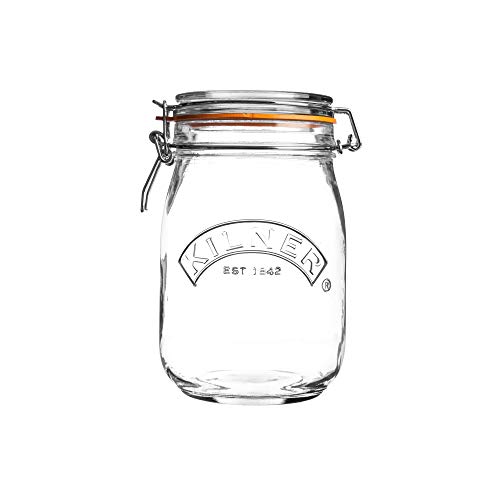
Kilner Clip Top Glass Jar 1L
Kilner
typically £4-5

Epicurean PREP Board Natural
Epicurean
typically £25-30

Le Creuset Signature Cast Iron Round Casserole
Le Creuset
typically £250-320