Best Plastic-Free & Microplastic-Free Water Bottles UK 2026
If you’ve ever refilled a plastic water bottle and wondered what you might actually be drinking, you’re not alone. A growing body of research suggests that plastic bottles — even reusable ones marketed as “BPA-free” — can shed microplastic particles into your water, particularly when exposed to heat or repeated use.
In this guide, we’ll walk you through the best plastic-free and microplastic-free water bottles currently available from UK retailers, explain the science behind different materials, and help you make an informed choice.
What the Research Says About Plastic Bottles and Microplastics
A widely cited study by the State University of New York at Fredonia found an average of 325 microplastic particles per litre in bottled water — with some brands exceeding 10,000 particles per litre. More recent work published in Proceedings of the National Academy of Sciences (2024) detected approximately 240,000 nanoplastic particles per litre in bottled water, using advanced laser-based imaging that previous studies couldn’t achieve.
For reusable plastic bottles, the evidence is narrower than the way this is usually presented, and it is worth being precise about what has actually been measured. Heat is the best-evidenced driver: a 2023 study in Environmental Science & Technology tested plastic containers and reusable food pouches and found that microwave heating produced the highest particle release of any usage scenario tested, with refrigeration and prolonged room-temperature storage also releasing particles. The second measured mechanism is abrasion: a 2020 study in Scientific Reports found that opening plastic packaging — twisting a cap, for instance — generates microplastics by wearing the plastic against itself.
What has not been measured is the everyday case of filling, squeezing and drinking from a reusable plastic bottle. We could not find a published study that quantifies it, so we are not going to put a figure on it. Heat and abrasion are evidenced; the rest is a reasonable inference from the same materials science rather than a measured finding.
If you’re wondering why this matters, the health research is still developing but worth understanding — our overview of what the research says about microplastics and fertility covers one of the most-studied areas of concern.
| Product | Status | Price | Buy |
|---|---|---|---|
| Hydro Flask Standard Mouth 621ml Hydro Flask | Low concern | typically £30-40 | Check price on Amazon — Hydro Flask Standard Mouth 621ml (opens in a new tab) |
| Klean Kanteen Classic 800ml Klean Kanteen | Low concern | typically £20-30 | Check price on Amazon — Klean Kanteen Classic 800ml (opens in a new tab) |
| Chilly's Series 2 500ml Chilly's | Low concern | typically £30-35 | Check price on Amazon — Chilly's Series 2 500ml (opens in a new tab) |
| Lifefactory Glass Water Bottle 650ml Lifefactory | Low concern | typically £33-45 | Check price on Amazon — Lifefactory Glass Water Bottle 650ml (opens in a new tab) |
| Black+Blum Glass Water Bottle 600ml Black+Blum | Low concern | typically £20-30 | Check price on Amazon — Black+Blum Glass Water Bottle 600ml (opens in a new tab) |
Materials That Don’t Shed Microplastics
Not all water bottle materials carry this risk. Here’s how the main options compare:
Stainless Steel (18/8 or 304 Grade)
The most popular microplastic-free option. Food-grade stainless steel is an inert alloy that won’t shed plastic particles because it contains no polymers — though most steel bottles still have a plastic lid or seal. It’s durable, keeps drinks cold or hot for hours (when double-walled), and handles drops and dents gracefully.
Best for: Everyday use, commuting, outdoor activities. The most practical all-round choice for UK consumers.
Borosilicate Glass
Glass is completely inert and the gold standard for chemical safety. Borosilicate glass (the same material used in laboratory equipment) is more resistant to thermal shock than regular soda-lime glass, meaning it can handle hot drinks without cracking.
Best for: Home and office use. Some glass bottles come with silicone sleeves for drop protection, but they’re inherently more fragile than steel.
What About “BPA-Free” Plastic?
“BPA-free” labelling can be misleading when it comes to microplastics. BPA (bisphenol A) is a specific chemical concern, but removing it doesn’t prevent a bottle from shedding microplastic particles. BPA-free bottles are still made from plastic polymers — typically polypropylene or Tritan copolyester — which can physically degrade into micro and nano-scale particles through normal use.
A bottle can be BPA-free and still be a significant source of microplastic exposure.
How We Chose These Bottles
We don’t run a laboratory, so we don’t make hands-on testing claims. Instead, every recommendation on this page is built from verifiable material and manufacturer data:
- Material analysis — we identify every material in the bottle (body, lining, lid, seal) from manufacturer specifications and cross-reference them against known synthetic polymer lists. To earn a top recommendation, the drinking vessel itself must be a non-polymer material: stainless steel, glass, or (with caveats) lined aluminium.
- Manufacturer verification — we check official product pages, care instructions, and published materials data rather than relying on retailer listings alone. Where a manufacturer doesn’t fully disclose a material (such as a proprietary lining), we say so and rate the product more cautiously.
- Rating consistency — each bottle carries one of our three ratings (Low concern; Lower concern, caveats; Concern identified), assigned using the process described on our methodology page. Each product listing shows the date its data was last verified.
- UK price and availability — we only recommend bottles you can actually buy from mainstream UK retailers, and we note realistic price bands rather than RRPs.
We include some plastic bottles (like the CamelBak Eddy+) deliberately — for comparison, and because an honest guide should explain why a popular product doesn’t make the top tier.
Our Top Picks at a Glance
| Bottle | Body material | Capacity | Insulated? | Dishwasher safe?* | Price band | Best for |
|---|---|---|---|---|---|---|
| Hydro Flask Standard Mouth | 18/8 stainless steel | 621ml | Yes (vacuum) | Yes | Premium | Hot/cold drinks all day |
| Chilly’s Series 2 | 304 stainless steel | 500ml | Yes (vacuum) | No — hand wash | Premium | Style and commuting |
| Klean Kanteen Classic | 18/8 stainless steel, uncoated | 800ml | No (single-wall) | Yes (brushed stainless) | Mid | Everyday all-rounder |
| Black+Blum Glass Bottle | Borosilicate glass + steel lid | 600ml | No | Check care guide | Mid | Least plastic contact |
| Lifefactory Glass Bottle | Soda lime glass + silicone sleeve | 650ml | No | Yes (sleeve on) | Premium (highest here) | Home and office |
| SIGG Traveller | Aluminium with interior lining | 600ml | No | No — hand wash | Budget (lowest here) | Lightweight day use |
| CamelBak Eddy+ | Tritan copolyester (plastic) | 750ml | No | Yes (top rack) | Budget | Included for comparison |
*Dishwasher guidance is taken from each manufacturer’s published care instructions (Klean Kanteen, Hydro Flask, Chilly’s, Lifefactory, SIGG, CamelBak) at the time of writing. Price bands are relative to the other bottles on this page — each product page above carries the current Amazon UK price and stock status.
Our Top Picks for the UK
We’ve reviewed seven water bottles available from UK retailers. Here are our recommendations, based on available material and ingredient data:
Top Pick: Hydro Flask Standard Mouth 621ml
18/8 food-grade stainless steel throughout, with no interior lining or coating on the drinking surface — there is no polymer in contact with your water, so the body won’t shed microplastics. Double-wall vacuum insulation keeps drinks cold for around 24 hours or hot for 12. It sits at the top of the price range here alongside the Chilly’s — the current Amazon UK price and the full material breakdown are on our Hydro Flask product page.
It takes the top slot on the strength of the same thing that earns every steel bottle its rating — an inert drinking surface — plus the practical argument that insulation is what stops a reusable bottle being abandoned for a shop-bought one at 2pm.
Pros:
- Uncoated 18/8 stainless steel interior — nothing to shed, nothing to wear off
- TempShield vacuum insulation genuinely holds temperature all day
- Dishwasher safe per Hydro Flask’s care page
- Durable powder-coat exterior that keeps its grip when wet
Cons:
- The most expensive steel option here
- Double-wall construction adds weight over a single-wall bottle
- Lid is polypropylene (as with almost all steel bottles)
Top pick

Hydro Flask Standard Mouth 621ml
Hydro Flask
typically £30-40
Also Recommended
Klean Kanteen Classic 800ml — Uncoated 18/8 stainless steel, single-wall, and the best pure everyday all-rounder here on materials: 800ml of capacity at a low carrying weight, and a cap ecosystem that includes steel-topped options if you want to cut plastic contact further. Cheaper than either the Hydro Flask or the Chilly’s when it is in stock.
- Pros: Uncoated 18/8 stainless steel drinking surface; brushed stainless finish is dishwasher safe per Klean Kanteen’s care guidance; light for its capacity; wide range of replacement caps.
- Cons: No insulation — drinks reach room temperature and the outside sweats; standard cap is polypropylene; painted finishes are hand-wash only. Stock note: the 800ml Classic is currently out of stock on Amazon UK and has been for some time. It remains an excellent bottle and we have not downgraded it — but if you need one today, the Hydro Flask above or the Chilly’s below are the buyable steel options.
Chilly’s Series 2 500ml — Popular UK brand with 304 stainless steel construction. Stylish designs, easy to find, and priced near the top of this list alongside the Hydro Flask.
- Pros: 304 stainless steel drinking surface; vacuum insulation; wide range of designs; easy to find on the UK high street.
- Cons: Hand wash only — Chilly’s advises against dishwashers entirely; 500ml is on the small side for all-day use; lid incorporates a polypropylene seal.
Lifefactory Glass Bottle 650ml — For those who prefer glass. Comes with a protective silicone sleeve. It is the most expensive bottle on this page, and currently subject to a delivery lead time on Amazon UK — the Black+Blum glass bottle is the cheaper and more readily available glass option.
- Pros: Borosilicate glass is completely inert — the gold standard for taste and chemical safety; silicone sleeve provides drop protection; dishwasher safe with the sleeve on.
- Cons: Heavier and more fragile than steel — not the bottle for hiking or a school bag; no insulation; cap is polypropylene.
Worth Considering
- SIGG Traveller Aluminium Bottle 600ml — Aluminium body with an interior coating. We rate this as “Lower concern, caveats” — the coating is non-plastic, but long-term data on the specific formulation is limited. Note that SIGG advises against dishwashers, as detergents can damage the interior lining. Very light, but the lining is exactly the kind of undisclosed formulation our rating system treats cautiously. Buy the SIGG Traveller on Amazon UK
- CamelBak Eddy+ 750ml — Tritan copolyester body. It is BPA-free and marketed as safe, but the drinking vessel is a plastic polymer, and our rating follows the material rather than the marketing: we now rate the Eddy+ “Concern identified”, in line with every other Tritan-bodied bottle on this site. That is a change from an earlier “Lower concern, caveats” rating, and the reasoning is on our methodology page — a plastic drinking surface can shed, so it does not qualify as free of microplastics whatever the grade of plastic. It is available on Amazon UK, but it no longer undercuts the uncoated steel bottles on this page, and without that gap the argument for it over steel has largely evaporated; it stays on this page for comparison, not as a recommendation.
Correction (July 2026): this section previously recommended SIGG’s Total Color range and described it as aluminium. That was wrong — Total Color bottles are Tritan plastic. SIGG’s aluminium bottle is the Traveller, and that is the product rated and linked above. If you bought a Total Color on the strength of our earlier wording, treat it as a plastic bottle: the same category as the CamelBak.
Who These Bottles Are (and Aren’t) For
An honest guide should admit that no single bottle suits everyone. Here’s how we’d actually match them to people:
- You want one bottle for everything: the Hydro Flask Standard Mouth, or the Klean Kanteen Classic if you can find it in stock and would rather have the extra capacity than the insulation. Both are uncoated steel with nothing on the drinking surface that can degrade.
- You drink slowly or want hot drinks out and about: the Hydro Flask or Chilly’s. Uninsulated bottles are cheaper and lighter, but if lukewarm water means you’ll stop using it, insulation is worth the premium.
- Taste is your priority and the bottle mostly lives on a desk: the Lifefactory glass bottle. Glass imparts no taste whatsoever. It is not the right choice for hiking, cycling, or children’s school bags — a dropped steel bottle dents, a dropped glass bottle can shatter even with a sleeve.
- You’re on a tight budget: any refillable bottle beats buying single-use bottled water — the research above consistently finds bottled water is the worst offender by a wide margin. But the budget case for a Tritan bottle has weakened: the CamelBak Eddy+ no longer undercuts the uncoated steel bottles on this page — it sits squarely in steel territory. The cheapest way to remove the shedding question entirely is the SIGG, which undercuts the CamelBak, or a plain single-wall steel bottle.
- You want zero plastic contact at all: none of the mainstream picks fully achieve this — lids are nearly always polypropylene. Look at bottles with steel lids (such as the Black+Blum glass bottle, on Amazon UK) and accept a slightly less convenient seal.
One genuine trade-off worth naming: the “safest” bottle is the one you’ll actually refill. A heavy glass bottle that stays at home while you buy meal-deal water is worse, microplastic-wise, than a plastic Tritan bottle you refill from the tap every day.
What About Bottle Lids and Seals?
Even stainless steel and glass bottles typically have polypropylene lids or silicone seals. This is worth acknowledging: the lid area is where the small amount of plastic contact occurs. Research published in Scientific Reports (2020) found that everyday actions like twisting plastic caps open can generate microplastic particles through abrasion. However, the liquid contact surface is dramatically smaller than with a fully plastic bottle, and silicone is generally considered inert and safe.
If you want to minimise plastic contact entirely, look for bottles with stainless steel lids — though these are less common and may not seal as effectively.
Tips for UK Buyers
- Check the lid material — some “stainless steel” bottles have entirely plastic lids. This doesn’t make them bad, but it’s worth knowing.
- Consider insulation — double-walled stainless steel bottles keep drinks at temperature longer, which reduces the temptation to buy single-use plastic bottles when you’re out.
- Dishwasher use — most stainless steel bottles are dishwasher safe, but check the manufacturer’s guidance. Some powder-coated finishes may degrade, and Chilly’s and SIGG recommend hand washing only.
- Size matters — a 500-800ml bottle covers most daily needs. Going too large means you carry more weight; too small means more refills.
Frequently Asked Questions
Do reusable water bottles have microplastics?
It depends on the material. Reusable bottles made from plastic — including polypropylene and BPA-free Tritan — are polymer drinking vessels, and the two mechanisms research has actually measured are heat and abrasion. A 2023 study in Environmental Science & Technology found that microwave heating of plastic containers and reusable pouches produced the highest particle release of any usage scenario tested, with refrigeration and prolonged room-temperature storage also releasing particles; a 2020 study in Scientific Reports found that opening plastic packaging generates microplastics through abrasion. Bottles made from stainless steel or glass contain no polymers in the drinking vessel, so the bottle body will not shed microplastics. Only the lid and seal typically contain small plastic or silicone components.
Are BPA-free and Tritan water bottles microplastic-free?
No. “BPA-free” means the bottle doesn’t contain bisphenol A — a specific chemical concern — but it says nothing about microplastic shedding. Tritan copolyester is still a plastic polymer, and while it’s generally considered more stable than conventional plastics, it can physically degrade into micro and nano-scale particles, and long-term shedding data for Tritan is limited. To eliminate shedding from the drinking vessel entirely, choose stainless steel or glass.
Does the plastic lid on a stainless steel bottle shed microplastics?
It can, in small amounts. Research in Scientific Reports found that twisting plastic caps can generate microplastic particles through abrasion. However, the plastic contact area on a steel or glass bottle is dramatically smaller than on a fully plastic bottle, and silicone seals are generally considered inert. A few bottles come with stainless steel lids if you want to go further.
Are stainless steel water bottles dishwasher safe?
It varies by brand: Klean Kanteen brushed stainless and Hydro Flask bottles are dishwasher safe per their manufacturers, while Chilly’s and SIGG recommend hand washing only. Dishwashing bare stainless steel doesn’t create a microplastic risk — there’s no polymer to shed — but heat and detergent can damage insulation seals, painted finishes, and aluminium linings. Check the care guidance for your specific bottle.
The Bottom Line
Switching from a plastic water bottle to stainless steel or glass is one of the simplest, most impactful changes you can make to reduce your daily microplastic exposure. The science is clear that plastic bottles shed particles into your drinks, and the alternatives are widely available and affordable from UK retailers.
Based on our review of materials and available data, we recommend stainless steel as the best all-round choice for most people. It’s durable, practical, and the steel body won’t shed microplastics — only the lid and seal are plastic.
And remember the other half of the equation: the water you put in the bottle. UK tap water contains far fewer microplastics than bottled water, and a good filter reduces it further — see our guide to the best water filters for microplastics for the full breakdown.
Sources
- Synthetic polymer contamination in bottled water — Frontiers in Chemistry, 2018
- Rapid single-particle chemical imaging of nanoplastics by SRS microscopy — Proceedings of the National Academy of Sciences, 2024
- Assessing the Release of Microplastics and Nanoplastics from Plastic Containers and Reusable Food Pouches: Implications for Human Health — Hussain et al., Environmental Science & Technology, 2023
- Microplastics generated when opening plastic packaging — Sobhani et al., Scientific Reports, 2020
- Manufacturer care guidance: Klean Kanteen, Hydro Flask, Chilly’s, Lifefactory, SIGG, CamelBak
Product assessments are based on available ingredient and material data at the time of review. Formulations may change — always check current product information.
Recommended Products

Klean Kanteen Classic 800ml
Klean Kanteen
typically £20-30
Hydro Flask Standard Mouth 621ml
Hydro Flask
typically £30-40

Chilly's Series 2 500ml
Chilly's
typically £30-35

Lifefactory Glass Water Bottle 650ml
Lifefactory
typically £33-45

SIGG Traveller Aluminium Bottle 600ml
SIGG
typically £13-18
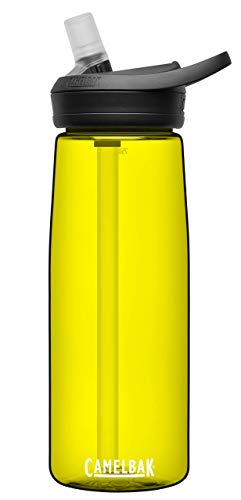
CamelBak Eddy+ 750ml
CamelBak
typically £18-22