How to Spot Microplastics on Ingredient Labels
Regulation is not going to check your bathroom cabinet for you. Since Brexit the UK has no comprehensive microplastics law, and even the EU’s restriction runs on deadlines stretching to 2035. That leaves the ingredient label as the single most reliable tool you have — if you know what you are looking at.
The problem is that microplastics rarely appear on a label as “plastic”. They appear as long chemical names, and the same product can hide a plastic in the softening agent, the film that makes mascara waterproof, or the thickener in a gel. This guide gives you the names that mean plastic, the ones that are genuinely debated, and the quick-reference and app tools that do the checking for you.
First, What Counts as a Microplastic on a Label
Two different definitions are in play, and it helps to know both.
The campaigner’s definition comes from the Plastic Soup Foundation’s Beat the Microbead project, which maintains the most widely used database. It counts “all types of plastic particles that are intentionally added” — solid, liquid, soluble, or so-called biodegradable. By that broad measure, Beat the Microbead lists more than 500 microplastic ingredients in use across cosmetics, plus over 100 further “sceptical” ones.
The regulator’s definition is narrower. The EU restriction, Regulation (EU) 2023/2055, covers solid synthetic polymer particles of 5mm or less (or fibres 15mm or less) — and specifically exempts polymers that are natural and unmodified, that are proven degradable, or that are soluble above 2 g/L. That means a soluble or liquid polymer can be a microplastic to a campaigner but exempt to the EU.
We flag both, and tell you which is which, so you can decide where your own line sits.
The Names That Mean Plastic (Confirmed)
If you see any of these on an ingredient (INCI) list, the product contains a synthetic polymer that both campaign groups and the EU agree is a microplastic. These are the ones to prioritise avoiding.
- Polyethylene (PE) — the most recognised microplastic ingredient. A bulking agent and, historically, the classic scrub “microbead”. Still legal in leave-on UK products.
- Polypropylene (PP) — bulking agent and viscosity controller; the same plastic used in food tubs. Common in lipsticks and foundations.
- Polyethylene terephthalate (PET) — film-former and the base of most cosmetic glitter. The same plastic as drinks bottles.
- Nylon-6 / Nylon-12 (listed as Polyamide / PA) — used for a silky “slip” in powders, primers, and blushers.
- Acrylates copolymer and Acrylates crosspolymer — film-forming polymers that deliver “long-wear” and “waterproof” claims. Extremely common in mascara, foundation, sunscreen, and hair products, and among the hardest to avoid.
- Polymethyl methacrylate (PMMA) — the “soft-focus” blurring powder in pore-minimising primers. The same polymer as acrylic glass.
- Polyurethane — film-former and binder in nail polish, hair spray, and some foundations.
- Polytetrafluoroethylene (PTFE) — yes, the non-stick “Teflon” fluoropolymer. Used in some pressed powders and foundations for a smooth glide. A confirmed plastic on concern lists.
The shortcut: Beat the Microbead’s own rule of thumb is to treat any ingredient starting with “poly-” as worth a second look, and to specifically flag anything ending in “-copolymer” or “-crosspolymer”.
The Debated Names (Handle With Judgement)
These are synthetic polymers too, but their microplastic status is genuinely contested — usually because they are liquid, water-soluble, or water-swellable rather than solid particles. Beat the Microbead places them on its orange “sceptical microplastic” list; the EU restriction may exempt some of them on solubility or degradability grounds. Honesty matters here: reasonable experts disagree.
- Dimethicone (and other -cone / -siloxane ingredients) — silicones. These have a silicon-oxygen backbone rather than a conventional carbon-based plastic chain, which is why some argue they should not be lumped in with plastics at all. But they are synthetic polymers, they biodegrade poorly, and dimethicone is the single most common synthetic polymer in cosmetics — present in around 20% of the products in Beat the Microbead’s database. The EU restriction treats some silicone substances as in scope and exempts others by biodegradability. Our position, like the cosmetics industry’s critics, is to flag them and let you choose.
- Carbomer — a cross-linked polyacrylic acid used as a thickener in gels and creams. Beat the Microbead ranks it the second most common synthetic polymer in cosmetics (about 11% of products), yet its water-swellable structure leads others to rate it lower-risk, and it may fall under the EU’s solubility exemption. Counted by campaigners; debated by regulators.
- Polyquaternium (Polyquaternium-7, -10, and so on) — conditioning polymers in shampoos and hair products. Some types sit on the orange “sceptical” list; the data is incomplete.
- PEG and PPG compounds (polyethylene glycol / polypropylene glycol) — water-soluble polymers used as thickeners and emulsifiers. On the sceptical list; exempt under the EU’s solubility rule, but still petroleum-derived.
- Poloxamer — another water-soluble polymer on the sceptical list.
The practical takeaway: the confirmed list above is where the strongest evidence is. The debated list is where you apply your own precaution — we lean towards avoiding them where a simple alternative exists, but we do not pretend the case is as clear-cut.
Quick-Reference Table by Product Category
Different products hide plastics in different places. If you are checking a specific item, start with the ingredients most likely to be there.
| Product type | Most likely microplastic ingredients | Why it’s there |
|---|---|---|
| Waterproof mascara | Acrylates copolymer / crosspolymer | Makes the film water-resistant |
| Long-wear foundation | Acrylates copolymer, nylon, PMMA | ”Stays all day” film + smooth finish |
| Pore-minimising primer | PMMA, nylon-12, dimethicone | Soft-focus blurring effect |
| Sunscreen | Acrylates crosspolymer, dimethicone | Water resistance, smooth spread |
| Lip products | PE, PP, polyurethane | Texture and shine (also an ingestion route) |
| Pressed / loose powder | Nylon-12, PTFE | Silky application |
| Exfoliating scrub | Polyethylene (PE) | Abrasive beads (banned in UK rinse-off since 2018) |
| Glitter cosmetics | PET | The glitter itself is plastic film |
| Shampoo / conditioner | Polyquaternium, dimethicone, carbomer | Conditioning, thickening (mostly debated types) |
| Gel moisturiser | Carbomer | Thickener (debated) |
| Nail polish | Polyurethane, acrylates | Film and durability |
The Regulation, in One Paragraph
It helps to know why the label matters so much in the UK specifically. The EU’s Regulation (EU) 2023/2055 was adopted on 25 September 2023 and entered into force that October. It bans microbeads immediately, rinse-off cosmetics from October 2027, leave-on cosmetics from October 2029, and make-up, lip, and nail products from October 2035 — with those make-up products required to carry a “This product contains microplastics” warning from October 2031 in the meantime. Encapsulated fragrances (the fabric-softener capsules) go in October 2029. None of this applies in the UK. Britain banned rinse-off microbeads in 2018 and has done nothing comprehensive since; Defra published an evidence project in May 2025 and is still deciding what, if anything, to restrict. Until it acts, the label is the regulation. Our full breakdown of where UK microplastics regulation stands has the detail.
Let an App Do the Reading
Memorising a hundred polymer names is not realistic. The Beat the Microbead app, from the Plastic Soup Foundation, is built for exactly this: scan a barcode or photograph the ingredient list, and it cross-checks against its database of hundreds of synthetic polymers. It returns a traffic-light verdict — red (contains microplastics), orange (contains debated “sceptical” polymers), or green — and awards a “Zero Plastic Inside” mark to products whose ingredient lists contain none of them.
Yuka is a second option widely used in the UK. Its focus is broader health and ingredient scoring rather than microplastics specifically, but it does flag synthetic polymers ingredient by ingredient, which makes it a useful cross-check.
Neither app is a substitute for understanding the names — databases lag behind reformulations, and a “green” result only means no listed polymer was found — but together with this guide they make a weekly shop far quicker to vet.
How to Actually Use This
- Start with what you use most. Your daily moisturiser, foundation, and sunscreen matter more than the product you touch twice a year.
- Scan the “poly-” words first, then check for “-copolymer”, “-crosspolymer”, and “-cone”.
- Cross-check anything uncertain in an app, and when in doubt, treat a debated ingredient as one to replace at your own pace.
- Replace gradually. There is no need to bin half-used products — switch as things run out, prioritising leave-on items and anything used near the eyes or lips.
For a deeper walk through specific ingredients and the regulatory background, see our cosmetics and makeup ingredient guide. And for lower-concern products available from UK retailers — moisturisers, shampoos, sunscreens, deodorants — see our microplastic-free personal care and skincare guide.
Sources
- Beat the Microbead: guide to microplastics and ingredient database — Plastic Soup Foundation (red / orange lists, 500+ ingredients, dimethicone and carbomer rankings, the “Zero Plastic Inside” mark)
- Restriction on intentionally added microplastics, Regulation (EU) 2023/2055 — European Chemicals Agency (definition, exemptions, phase-out deadlines)
- Defra report states artificial pitches are the main source of intentionally added microplastic pollution in the UK — Fidra, May 2025 (reporting the Defra intentionally added microplastics evidence project; current UK regulatory position)
- Get to know the microplastics in your cosmetics — Part II — Plastic Soup Foundation (dimethicone ~20% and carbomer ~11% of products)
This guide is for informational purposes and reflects ingredient databases and regulation as of July 2026. Formulations and classifications change — always check the current label. It does not constitute medical advice.
Recommended Products

Weleda Skin Food Original
Weleda
typically £12-17

Faith in Nature Lavender & Geranium Shampoo
Faith in Nature
typically £4-7
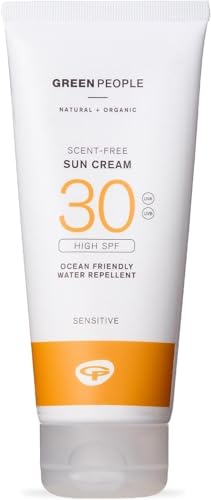
Green People Scent Free Sun Lotion SPF30
Green People
typically £15-25